
Words are kind of the whole thing.
Whether you need a name from scratch, a sharper way to talk about what you do, or an editor to make existing language sing, Wordlark can help.
Engagements are tailored to the problem at hand—because naming a company is a different undertaking from renaming a product, and refreshing a homepage is different from bringing one into being.
Let’s start with naming.
From companies and products to services, Wordlark develops names that are strategically sound, creatively interesting, and built to survive the practical realities of trademarks and domains. We also help organizations decide when a name should stay—and when it's time for something new.
Here are the broad strokes of a typical project

Step 1
The client sends background materials for Wordlark to review. Maybe this is a marketing plan or a brand story or just a long email about your vision. Maybe it’s all of the above, whatever will help set the stage for understanding naming needs.

Step 2
Wordlark conducts interviews with key team members to fully understand the client’s current position and future goals, as well as naming preferences.
Note: This part is usually pretty fun.

Step 3
Wordlark distills all these learnings into a creative brief, the lodestar for naming work. It outlines how the name should look, feel, and sound. This is approved by the client before creative begins. That part of the process often involves generating hundreds of names.
Step 4
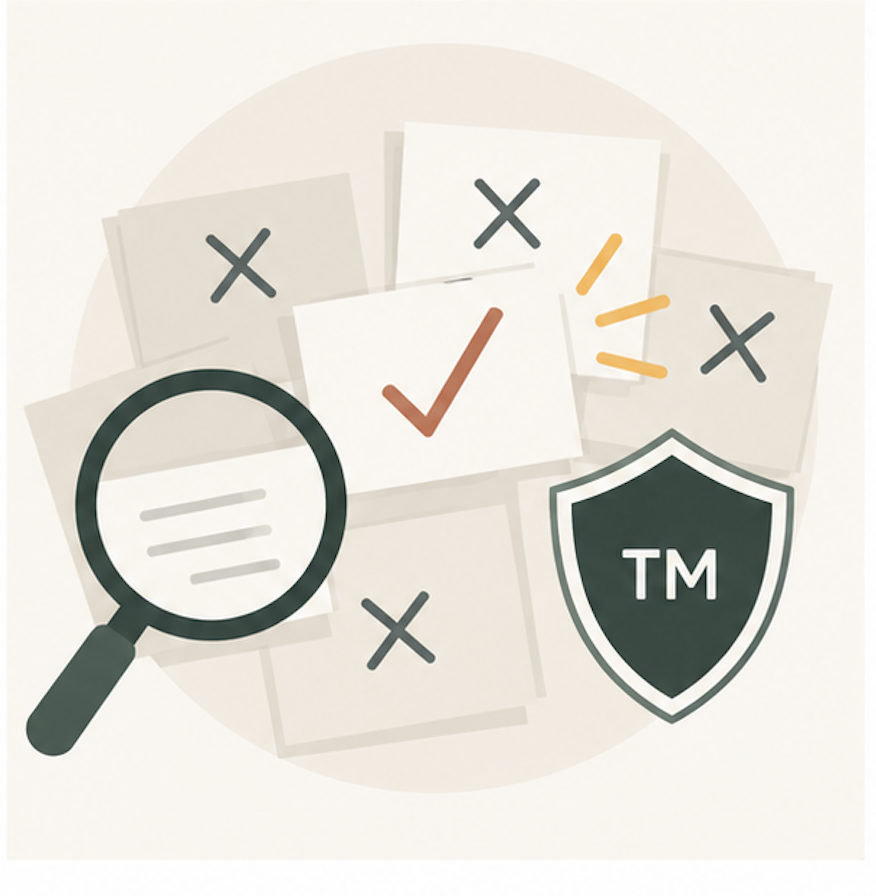
If we’re trademarking: After Wordlark does a preliminary screening, a subset of names are sent to a legal partner for TM prescreening, a cost efficient way to filter out candidates that likely aren’t worth a full legal vetting. We can also check domains.

Step 5
Wordlark presents name candidates that align with client goals and have cleared any required hurdles.
The process is designed to give you a deep bench of solid candidates that are worthy of your vision. Then you choose the one.
Naming Services
New Names
Names for new companies, brands, products, services, platforms, tools, features, or whatever else deserves the attention and recognition of purposeful branding.
A full naming engagement includes the steps outlined above. We can streamline, too.
Renaming
New names for companies, brands, products, or services that have outgrown—or otherwise need to move on from—their current ones.
Sometimes the business changes. Sometimes the market does. And sometimes a name just isn't doing its job.
Naming Strategy
Strategic guidance on whether to rename, how names should relate to one another, and how to build naming systems that can grow and evolve.
For when the question isn't just “What should we call it?” but “How should names relate?” or “Do we really need a new one?”
Brand Language
Taglines &
Brand Lines
Short, memorable language that captures what a company or offering is about—and gives people something worth remembering.
Messaging
Clear, compelling ways to explain what you do, why it matters, and what sets you apart from all the others.
Website Copy
Heroes, headlines, and page copy that quickly get the right ideas across—and sound like an actual human wrote them.
Editorial
Writing
Original articles, essays, reports, and other content, built from research, interviews, or existing source material.
Editing
Big-picture help with structure, clarity, flow, and voice—turning a rough draft into something people actually want to read.
Polishing
A meticulous last pass for all the little things that can distract from otherwise effective writing.